Tunics for Turkic steppe nomads are not well represented in the archaeological record. This maybe due to something noted by Ibn Fadlan in the 10th Century. He stated that when he gave their guide a coat as a gift the guide removed his own coat and underneath was a shirt that was soiled and in tatters. It would seem they never removed or washed clothing that had touched their skin. What ever the cause for this lack it has meant I have had to use several sources to come up with a possible, but by no means, probable tunic. Originally I used the Egyptian shirt from 'Cut my Cote' (see figure 1) and some figures from the Varqa and Gulshah saga (see figure 2). However I was not fully satisfied with them and kept searching for better information. The first thing I realised was that the picture I had chosen from the Varqa and Gulshah saga actually showed coats not tunics. I had determined this from the fact that the neck line and length of the 'tunic' matched that of other coat pictures in the saga. So when I had a copy of all the illustrations from this saga I started looking for a picture of a tunic. I didn't find any but what I did find suggested some reasons for this. The first thing I found was a number of 'fallen' figures which showed the coat open enough that if a tunic of the type I had originally proposed had been illustrated I would have seen it but I didn't. Also the coats of the riders fell open showing the trousers and boots in more detail but no tunic. This led me to 3 possible explanations. The first was that the artist(s) did not illustrate tunics which seemed odd since they had illustrated other minutiae. Secondly that the tunic was tucked into the trousers and therefore wouldn't show. The last idea I came up with was that the tunic was short and would not show below the waist. The short tunic and a tunic tucked into trousers seemed to me to be the same thing as a long or bulky tunic (side gores etc) would not easily tuck into trousers whereas a short tunic would sit quite comfortably. So I decided this concept was what I would use as the basis for my design. |
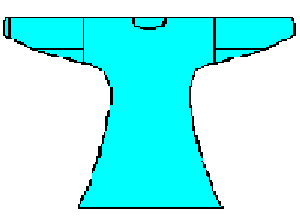 Figure 1 - Drawing of a 12th Century Egyptian shirt 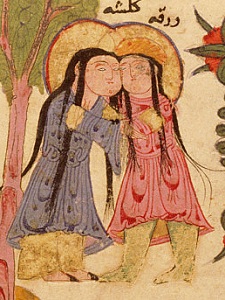 Figure 2 - Inspiration for my original concept. |
Based on this initial concept plus some research in periods before and after the one I'm interested in I decided to use the following guidelines to make tunics:
- It would be a short tunic reaching no further than the crotch and could be tucked into the trousers. This length also fits in with the description given by Ibn Fadlan, as you would only need to have a tunic that protected you're outer coat from your body. A short tunic plus trousers would do that quite adequately.
- Given that in the following period tunics with splits up the side are fairly common it's not hard to suppose that the tunics in this period had slits up the sides to allow movement.
- Given the fit of other garments I've assumed tunics were not figure hugging nor excessively loose.
- As with the other garments I've made it is based on a loom width of 65cm
- The neckline is largely undetermined but based on some illustrations of Gulshah it may have been round.

Figure 3 - My basic tunic pattern.